
Industry Profile
Sportsnet’s Rob Faulds On His Career As A Versatile Sportscaster


I feel my versatility has been a key in my career. I try to tell young broadcasters to try everything, it will give them a great foundation to build their career on.
Rob Faulds
The Conversation
Inside The Role
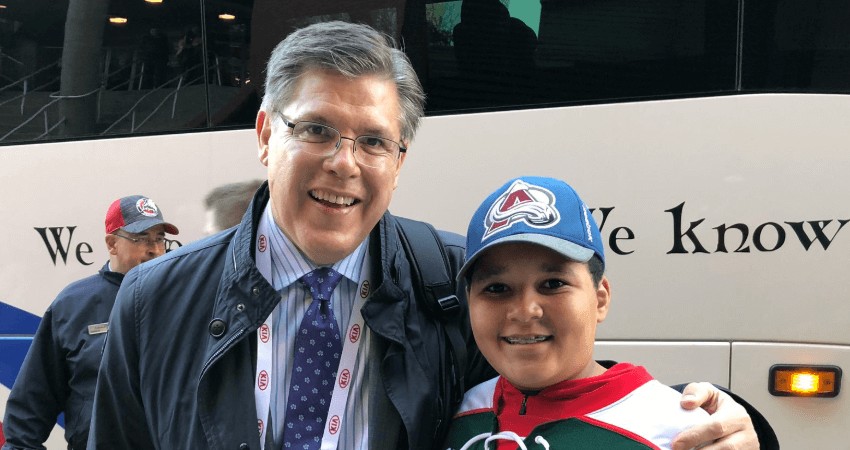
We grew as people grew into their roles, we learned by doing television 24 hours a day, seven days a week.Not unlike an athlete, you get better with more reps, it may not be easier, but you’re aware of the work that’s needed to be successful. It’s quite remarkable and gratifying to see how the skill set of the staff has evolved, many who have been there from the early years of Sportsnet.
I had always been involved in sports, played them in school, but unfortunately had no “elite” level skill.
I’ve always been interested in radio and television. My career began as a lucky accident. I was in university at Western in London, Ontario and happened to wander into the studios of Radio Western, and was convinced to come in and volunteer.
I did some of everything, I wrote news, hosted a music show, did play-by-play of Mustangs football on the campus network, whatever was needed.
Through that I was able to get a part-time job with CFPL Radio in London, (in 1975) first as an operator, I enjoyed the atmosphere and tried to learn as much as I could, I set up remotes, programmed music, did the occasional on-air shift, play-by-play of the London Knights, learning everything I could from many veteran broadcasters who were more than willing to answer my questions and help me improve. My hours at the radio station went up, my hours at school went down, and I joined the radio station full time.
I knew that sports was what I wanted to do, and with the encouragement of colleagues, I applied for sports jobs when they became available.
After some rejections I was hired by CKSO Radio in Sudbury (1980) as sports director. I did morning sports, play-by-play of the London Knights and some television reporting and anchoring. It was a terrific opportunity to learn and grow as a broadcaster.
From there, stops in Winnipeg at CFRW (1984), the big jump to CFCF in Montreal (late 1984) where I did radio and television, including play-by-play of the Montreal Canadiens and Expos and where I first started doing some freelance work for CTV Sports.
I joined CTV Sports in Toronto in 1995, and was on hand for the launch of Sportsnet in 1998.

Go in prepared. Learn the teams, talk to players, coaches, general managers. Read up on what the team has been doing prior to the game you are going to call. The internet is certainly a bonus, but talking to people is a great help.
I do a game sheet that helps me wrap my head around what I’m about to do. It includes game notes, thumbnail sketches of players, some stats and some talking points.

Practice! You get better with the more reps you do. I can remember turning the sound down of a TV game and calling the play. Read aloud, it makes you comfortable with handling copy if you’re aiming to be an anchor.
Do the homework, it pays off, a small nugget can add to the story you’re telling.

Final Thoughts
Anastasiya's Final Thoughts
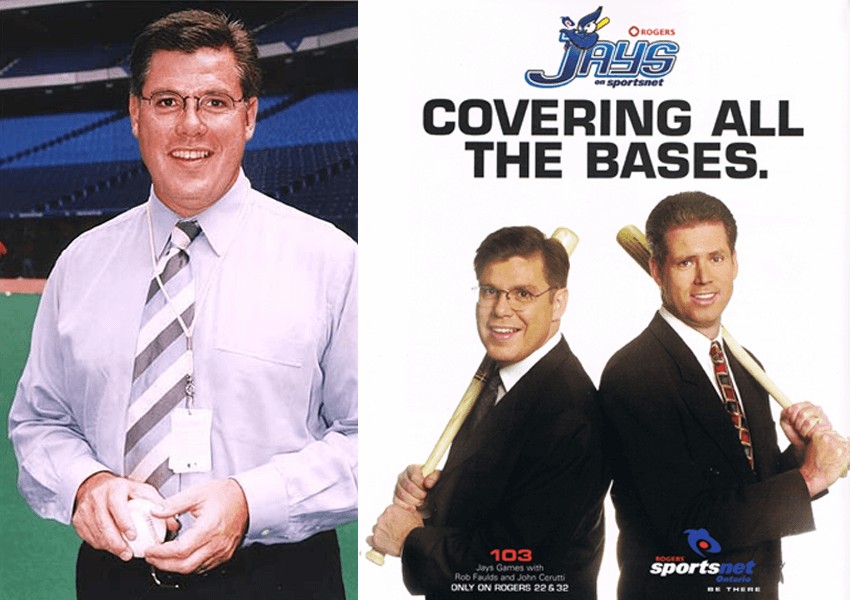
Rob Faulds has played an important role in the growth of Sportsnet and sports media in Canada. If turned on at least 10 Canadian-based sports broadcasts, the chances are super high that you've heard Rob Faulds' voice. That's because Rob Faulds has done play-by-play for Toronto Blue Jays, regional National Hockey League telecasts for the Ottawa Senators and Montreal Canadiens, National Lacrosse League games, all kinds of curling and tennis events, and multiple Olympic Games. Rob Faulds' undeniably successful career had a huge impact on the sports media industry. As Rob told us, the journey wasn't without its fair share of ups and downs, but then again most aren't. Rob Faulds' hard work and willingness to try everything was a driving force in his career and he shows no signs of slowing down.
Connect With Rob Faulds
Continue Reading
Related Industry Stories


